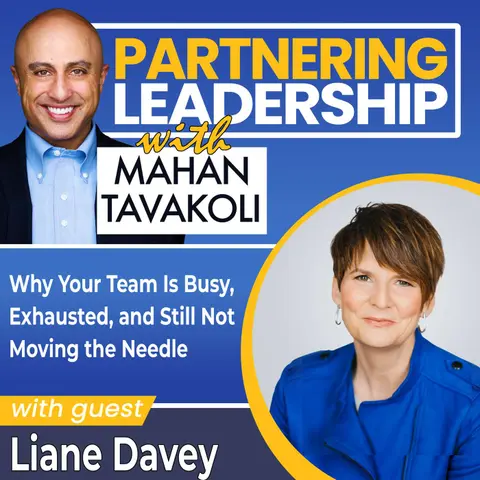
How to Reduce Team Thought Load and Stop Rewarding Toxic Busyness
Enterprise leaders often mistake constant responsiveness and overflowing inboxes for high performance, yet these activities drain human capacity and stall real organizational progress. By shifting focus from busywork and shallow productivity metrics to high-value outcomes, senior executives can eliminate the invisible tax of thought load and create sustainable conditions for their teams to thrive.
Key Takeaways
- Thought load is the invisible tax on cognitive, emotional, and energetic performance that prevents teams from executing high-value work.
- Rewarding employees for immediate responsiveness often incentivizes distraction rather than meaningful productivity.
- True effectiveness requires aligning organizational energy around single, clear priority outcomes instead of endless activity outputs.
- Processing emotional data before it turns into drama is essential for maintaining cognitive bandwidth and psychological safety.
- Leaders must actively uncover unseen work and manage team capacity to prevent burnout and declining decision quality.
The Dangerous Trap of Rewarding Busyness
In modern corporate environments, looking busy has become a proxy for doing valuable work. C-suite executives frequently fall into the dopaminergic loop of checking email, clearing Slack notifications, and attending back-to-back meetings. This constant motion provides a false sense of achievement, making leaders feel indispensable while their actual strategic initiatives stall. When managers praise team members for immediate responsiveness, they inadvertently signal that interruptions take precedence over deep, focused execution.
This organizational habit creates a culture of distraction where people spend their days reacting to other people's emergencies. True organizational productivity cannot be measured by the sheer volume of reports generated, features shipped, or emails answered. When organizations pump out work slop without validating whether those outputs actually drive meaningful outcomes, they burn valuable human capital on vanity metrics. Enterprise leaders must audit their own reward structures to ensure they are not encouraging performative busyness at the expense of strategic effectiveness.
Workload Versus Thought Load: Understanding the Hidden Tax
While workload refers to the actual labor required to produce the deliverables of a role, thought load is the invisible mental and emotional burden that accompanies it. Most knowledge workers are genuinely energized by their core responsibilities, but those tasks often make up only a fraction of their weekly hours. The rest of their capacity gets swallowed by competing demands, continuous interruptions, and unresolved interpersonal friction.
Thought load operates through a treacherous triad of cognitive demands, emotional triggers, and depleted energy reserves. As an executive or team member experiences cognitive overload, their ability to regulate emotions plummets, making them more vulnerable to perceived threats. This triggers a downward performance spiral where creativity, collaboration, and presence rapidly deteriorate. Recognizing that this invisible tax exists is the first step toward reclaiming team capacity.
Three Pillars for Reducing Executive and Team Thought Load
Lowering the thought load across an enterprise requires intentional shifts in how leaders manage priorities, emotional data, and human energy reserves.
1. Obsess Over Priority Outcomes
The word priority historically meant the single most important thing that comes first. Modern corporate jargon has corrupted this term into a pluralized list of competing demands. Leaders must establish a single, clear outcome that matters most, ensuring that this priority cascades accurately through every layer of the organization. When teams understand the exact destination, they can safely say no to lower-value distractions.
2. Process Emotional Data Before It Turns Into Drama
Emotions are a core component of the human operating system, yet corporate culture often encourages leaders to repress them or pretend they do not exist. Unprocessed emotions quickly morph into dramatic narratives and interpersonal friction, consuming massive cognitive bandwidth. High-performing teams and organizations train themselves to examine emotional data objectively, neutralizing social pain and maintaining psychological safety without getting dragged down by collective sympathy.
3. Treat Energy as a Renewable Resource
Continuous crisis mode and relentless sprint marathons inevitably lead to cognitive burnout, coding errors, and disengaged employees. While human energy is renewable, it requires deliberate cycles of intensive focus followed by proper recovery and reflection. Pushing teams to operate at full throttle indefinitely without lift creates structural drag that eventually causes the entire organizational apparatus to stall out.
Conclusion
Navigating the increasing complexity of today's business landscape requires enterprise leaders to move beyond surface-level productivity hacks. By systematically reducing thought load, eliminating invisible drag, and focusing human energy on what truly moves the needle, organizations can unlock unprecedented levels of clarity and performance. To dive deeper into these strategies and hear expert insights on managing organizational madness, Listen to the full episode and explore how top CEOs are rethinking team capacity and operational effectiveness.
Frequently Asked Questions
What is the difference between workload and thought load?
Workload is the actual effort and labor required to produce the operational outputs of a role. Thought load is the invisible tax on performance consisting of cognitive demands, emotional burdens, and depleted energy reserves that drain human capacity.
Why is rewarding responsiveness harmful to teams?
When leaders praise employees for immediate replies to every message, they unintentionally encourage distraction. This pulls people away from their highest-value focus work and reinforces performative busyness over true effectiveness.
How can leaders effectively reduce cognitive demands?
Leaders can reduce cognitive overload by establishing a single, non-negotiable priority outcome for their teams, ensuring strategic clarity, and eliminating redundant reporting and administrative work slop.
What role do emotions play in workplace performance?
Emotions provide critical operational data. When ignored or repressed, they turn into drama and trigger the brain's threat response, which severely limits cognitive bandwidth and executive decision-making capabilities.
Goal-Induced Blindness: Why High-Performing Leaders Sacrifice Results for Metrics